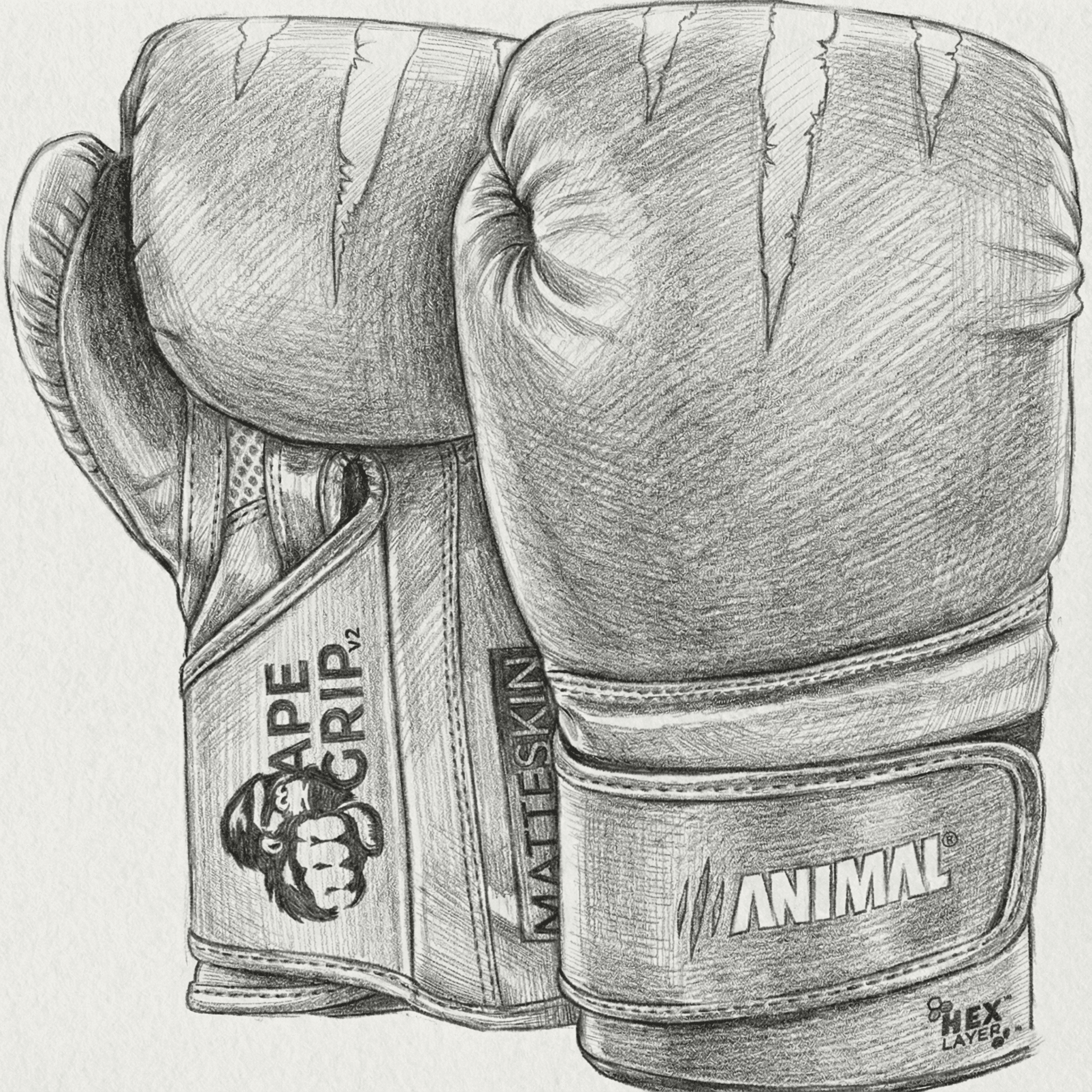

Walk into any boxing shop and you’ll see the same thing.
Rows of gloves. Endless colours. New names. New “technology”.
On paper, it looks like choice.
In practice, most of it adds more confusion than value.
Most of it feels fine at first. Soft padding. Clean stitching. Nothing obviously wrong.
Then you train. Properly. Regularly. Bag work. Pads. Sparring. That’s when the compromises start to show.
That gap exists because equipment is designed to impress quickly rather than hold up under regular training.
The idea for the Predator Series came from seeing the same failures repeat themselves in club training gloves breaking down early, structure softening unevenly, and wrist support degrading long before it should.
The problem with abundance
Too many gloves are designed to sell quickly, not to hold up over months of regular use.
We’ve all been there you feel it after a few weeks of training.
The padding starts to give unevenly. One knuckle sinks more than the others. The stitching starts coming apart. Wrist support stops feeling consistent and those closure straps that loosen, shift, or get in the way during sparring.
Nothing dramatic breaks, sure you’ll bear with them for a while.
It just stops feeling right though.
That’s the real cost of constant product turnover. Materials are chosen for first impressions, for the ‘looks’ not the function. Construction is rushed to hit release cycles. Longevity is assumed rather than observed over sustained training.
If you’re a beginner boxer training once a week, you might never notice and maybe that’s ok for you.
However if you’re like our audience, who train four or five times a week, you will.
More options in the market don’t fix that. Better decisions by brands do.
What restraint looks like in practice
Restraint isn’t a slogan. It’s what most brands leave out.
It means not adding features that look good on a product page just to get that sale, but instead do it genuinely so that boxers know exactly what they’re getting.
It means not changing designs just to look new, but having the same cheap foam padding inside the gloves.
It means building one glove to do its job properly instead of five that are mediocre.
For you as a boxer, that matters. You shouldn’t need to relearn how your gear feels every few months. Your gloves should disappear when you train, not demand attention. Don’t get me wrong, looks matter, but it should be secondary to keeping your hands protected.
Fewer products force better thinking. Every decision has to earn its place.
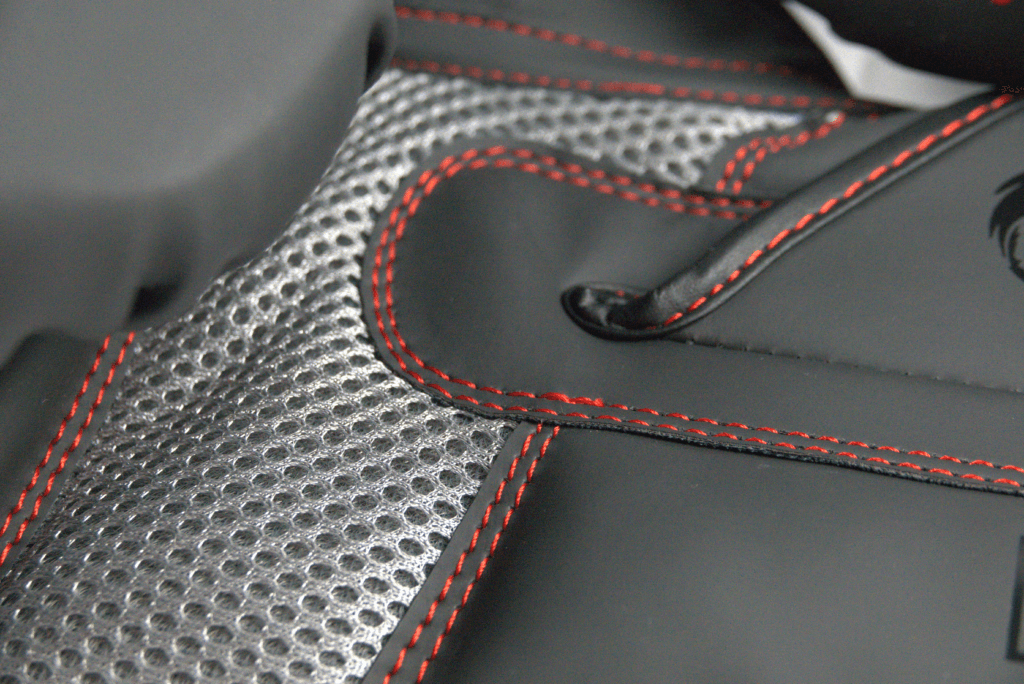
As an example, when you look at a glove closely, really look at the stitching. Is it single or double? Is the thread reinforced or is it thread that starts to loosen once it’s put under repeated stress.
How this shapes the equipment we make
When you design for real training, priorities change.
Padding isn’t about softness on day one. It’s about how it compresses after weeks of bag work and sparring.
After it ‘breaks in’.
Structure isn’t about passing a squeeze test. It’s about holding shape when fatigue sets in.
Stitching isn’t decoration. It’s about where stress actually builds over time.
Velcro straps aren’t just about fastening the glove. They need to stay secure, keep wraps in place, and hold throughout a full session.
These details don’t stand out on a shelf.
They matter when your hands are tired and your technique starts to slip.
That’s the thinking behind our range, including the Predator Series™. Each piece is built with a clear job in mind and a clear expectation of how it should feel after sustained use.
If you want the wider context behind why the brand works this way, it’s laid out on the Brand page.
A deliberate position
This isn’t a launch phase or a marketing angle.
Choosing to build less means slower growth. It means saying no to variations that would sell but dilute purpose. It means accepting that not everyone is the customer.
But if you train seriously, that trade-off works in your favour.
You don’t need more gear.
You need gear that holds up when you train hard, week after week.
Restraint isn’t limiting for our brand.
It’s respect for the work you put in.