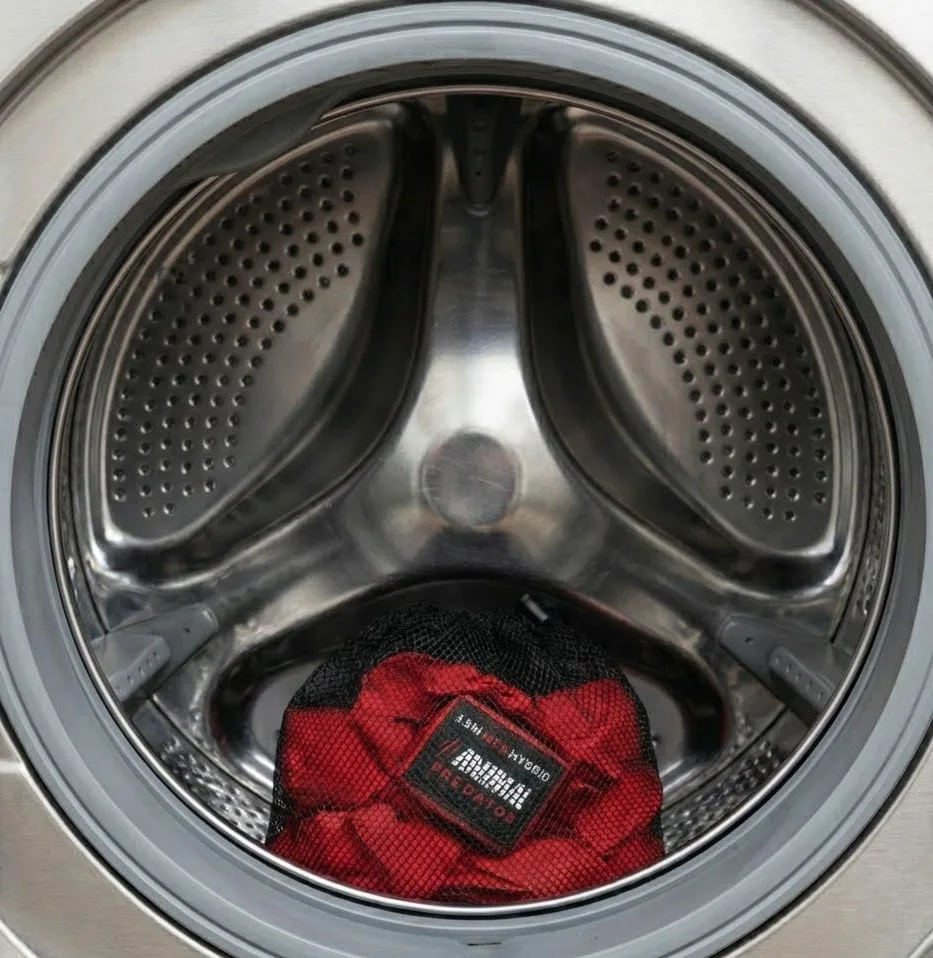

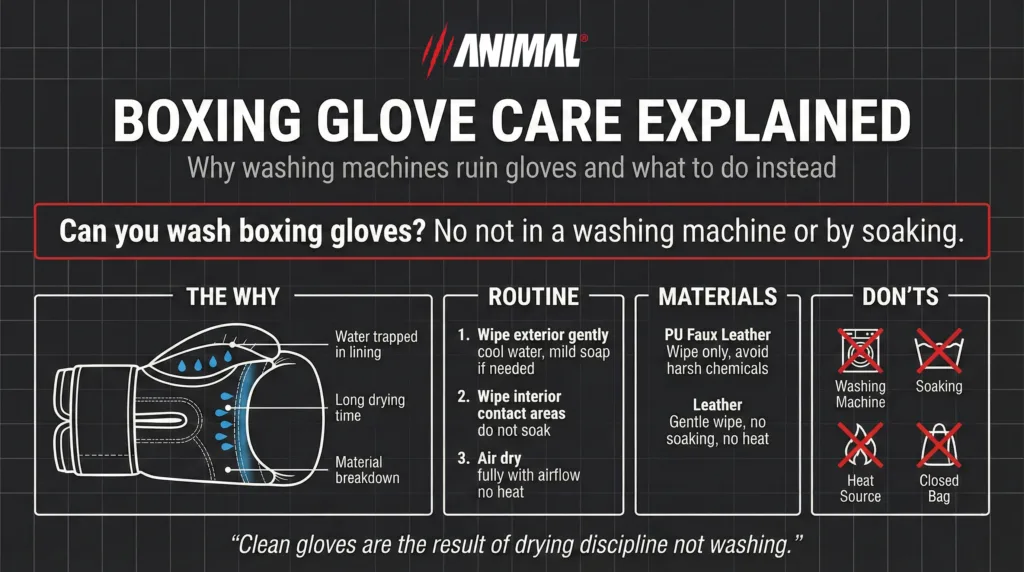
If you’re asking “can you wash boxing gloves?”, the honest answer is no. Not in a washing machine, and not by soaking them like clothing.
What you can do is clean them properly. That means wiping the exterior, managing the interior moisture, and drying them in a way that prevents bacteria and odour from taking hold.
Most glove damage comes from shortcuts. Machine washing, soaking, and heat drying all push water deeper into the padding and lining, then trap it there. Once moisture stays inside the glove, everything gets worse.
Good glove care is simple but it has to be consistent.
Why “washing” ruins boxing gloves
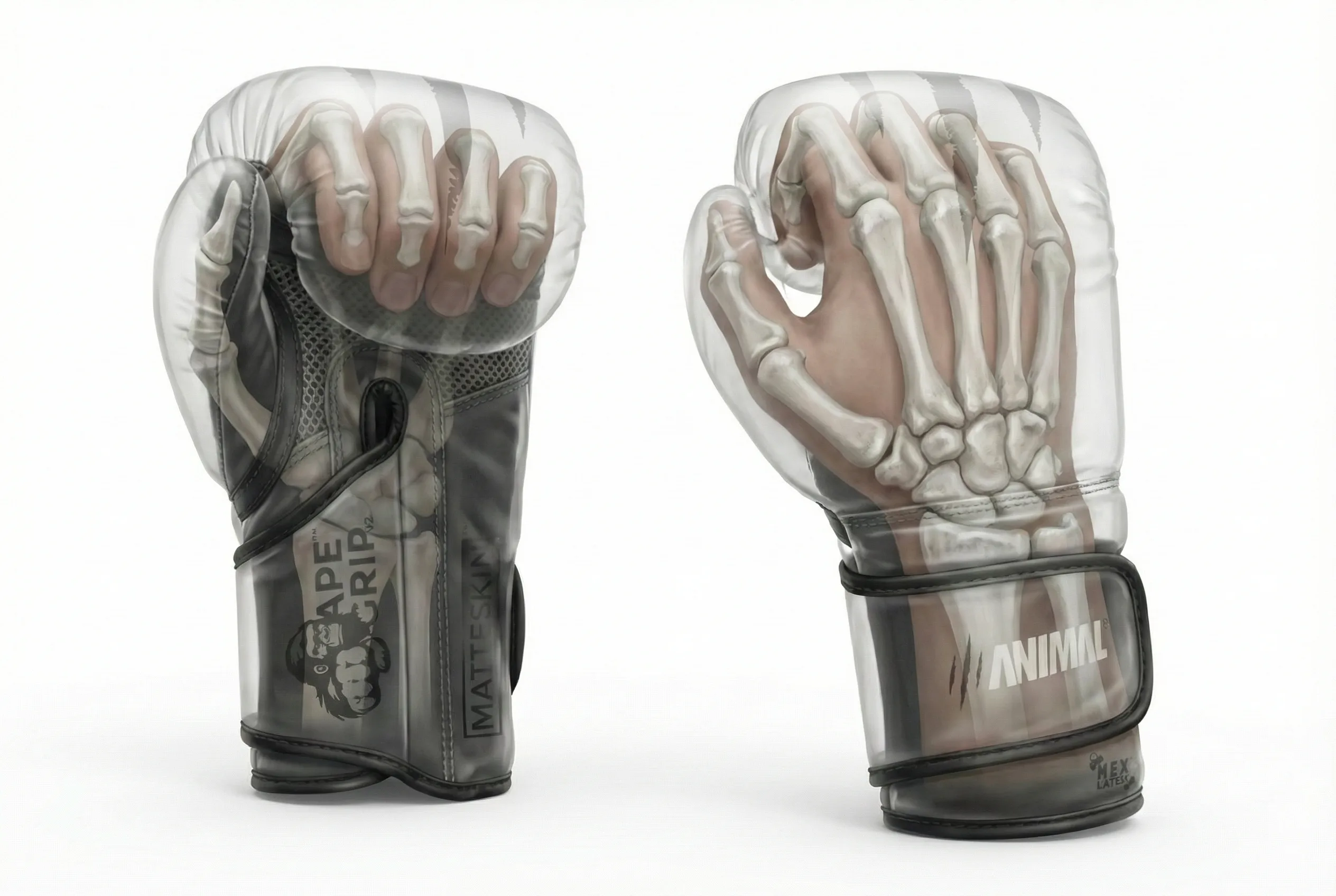
A boxing glove is not built like a t-shirt. The outer shell, the lining, the foam, the stitching, the wrist closure, and the thumb attachment all behave differently when saturated.
When you wash or soak gloves, three things usually happen:
- Water gets trapped inside the padding and lining. Gloves take far longer to dry than most people expect.
- Detergents and agitation stress the materials. Stitching, lining seams, and closure systems wear faster when repeatedly soaked and spun.
- People try to speed-dry with heat. Radiators, hairdryers, and direct heat harden materials and accelerate cracking and shrinkage.
Even if gloves come out looking fine, the inside often stays damp longer than it should. That is where odour begins. Cleaning is less about flooding the glove and more about controlling what lives inside it.
Prolonged moisture and poor drying habits are widely recognised as the main causes of glove odour and material breakdown, a point also highlighted in general sports equipment care guidance from Insure4Sport.
The routine that keeps gloves clean after every session
This is the only routine most people need. It is designed to clean without soaking, and to dry without damaging the glove.
1) Wipe the exterior
Use a clean microfibre cloth. If the glove is visibly dirty, slightly dampen the cloth with cool water and a small amount of mild soap. Then wipe the outer surface, including the thumb area and around the wrist.
- Use cool water only.
- Do not scrub aggressively. Let the cloth do the work.
- Avoid soaking seams and stitched joins.
If your gloves are PU or faux leather, this step matters even more. Harsh cleaning products and heavy scrubbing are what make synthetic gloves age badly.
2) Wipe the interior contact zones
The goal is not to wash the inside. The goal is to remove sweat residue from the areas that touch skin and wraps, then reduce the moisture load.
Use a clean cloth that is just slightly damp. Wipe the inside where your palm sits, around the fingers, and along the thumb channel. Then immediately follow with a dry cloth or paper towel to remove as much moisture as you can.
- Do not pour water into the glove.
- Do not spray the glove until the lining is wet.
- Do not leave a damp cloth inside the glove.
If you do use a glove-safe deodoriser spray, use it lightly and treat it as a support, not the main solution. A spray does not replace drying.
3) Dry the gloves properly
Drying is where glove care succeeds or fails. A glove that is still damp inside is not “clean”, even if it smells acceptable that day.
After training:
- Open the gloves as wide as possible.
- Place them in a well-ventilated area with airflow.
- Keep them out of direct heat sources.
- Do not put them straight back into your gym bag.
Gloves should feel dry inside before the next session. If you train frequently, rotation helps. Two pairs used alternately can last longer than one pair used daily and stored damp.
PU and faux leather gloves
Most modern training gloves use PU or a synthetic outer. These materials are practical and durable when treated correctly, but they do not respond well to harsh chemicals, heavy scrubbing, or repeated saturation.
For PU or faux leather gloves:
- Wipe only. Avoid soaking the outer material.
- Avoid harsh cleaners. Alcohol-heavy wipes and strong disinfectants can dry and dull the finish over time.
- Drying matters more than products. If the lining stays damp, odour returns regardless of what you spray on top.
If you want one practical rule, it is this. Clean the surface lightly. Dry the inside properly. That is what preserves the glove.
Leather gloves, and why “leather” is not one thing
When people say “leather gloves”, they often assume all leather behaves the same. It does not.
Some gloves use a smoother finished leather that is more resistant to surface moisture. Others use leathers with a more open feel that can mark and dry out faster if treated badly. Many leathers also have protective finishes that change how they respond to cleaning.
Whatever the leather type, the principles stay consistent:
- Do not soak leather gloves. Saturation stresses the outer and forces water into the padding.
- Do not heat dry. Heat accelerates stiffness and cracking, especially around high-flex areas.
- Wipe gently. Use a barely damp cloth, then dry the surface with a clean towel.
Occasional leather conditioning can help some gloves if they begin to feel dry over time, but it should be light, infrequent, and only applied to a fully dry glove. Over-conditioning can cause its own problems, including residue and a greasy feel.
If you are unsure what leather you have, do less, not more. Gentle wiping and proper drying is safer than aggressive cleaning.
Cleaning the inside without soaking the glove
Most people focus on the outside because it is visible. The inside is where the real problem starts.
The lining holds sweat. The foam holds moisture. The longer that moisture stays, the more likely bacteria and odour become. This is why machine washing is such a poor trade. It increases the moisture load dramatically and makes drying harder.
To keep the inside in good condition:
- Wipe contact areas lightly after each session.
- Remove moisture with a dry cloth immediately after wiping.
- Dry with airflow and time, not heat.
If your gloves are saturated from a particularly long session, you can help drying by placing clean, dry paper inside the glove for a short period, then removing it and continuing to air dry. The paper should be replaced if it becomes damp. Do not leave damp paper in the glove overnight.
A quick note on smell
This article is not a full odour guide, but the principle is worth stating clearly. Smell is usually a moisture problem first, and a cleaning problem second.
If your gloves smell, ask yourself one question. Are they ever fully dry inside before the next session. If the answer is no, no amount of spraying will solve it for long.
Wrap hygiene also matters. Dirty hand wraps transfer residue into the glove lining and accelerate odour. If you want a simple baseline, treat wraps as washable equipment and keep them clean. Clean kit reduces what ends up living inside the glove.
What not to do
Most bad glove care advice is popular because it feels decisive. It is still damaging.
- Do not machine wash boxing gloves. It forces water deep into padding and lining.
- Do not soak gloves. Saltwater soaks and long soaks create more drying risk than they solve.
- Do not heat dry. Avoid radiators, hairdryers, tumble drying, and leaving gloves near heaters.
- Do not store gloves damp in a sealed bag. This is the fastest way to build persistent odour.
- Do not overuse harsh disinfectants. Strong chemicals can irritate skin and degrade materials over time.
If a method relies on soaking, spinning, or heat, it is usually solving the wrong problem in the wrong way.
Where your gloves fit into this
Any well-made training glove benefits from the same discipline. Wipe the exterior. Keep the interior clean enough to reduce residue. Dry properly after every session.
This is also why the simplest “care upgrade” is not a new spray. It is a better routine. Gloves last longer when they are treated like equipment, not laundry.
If you want to keep your overall kit in good order, start with the basics. Store gloves where they can breathe. Keep wraps clean. Let everything dry fully between sessions.
For gloves and wraps, you can find the equipment pages under Collections, including boxing gloves and hand wraps.
Clean gear is not a luxury. It is part of training properly.