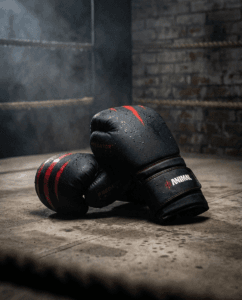

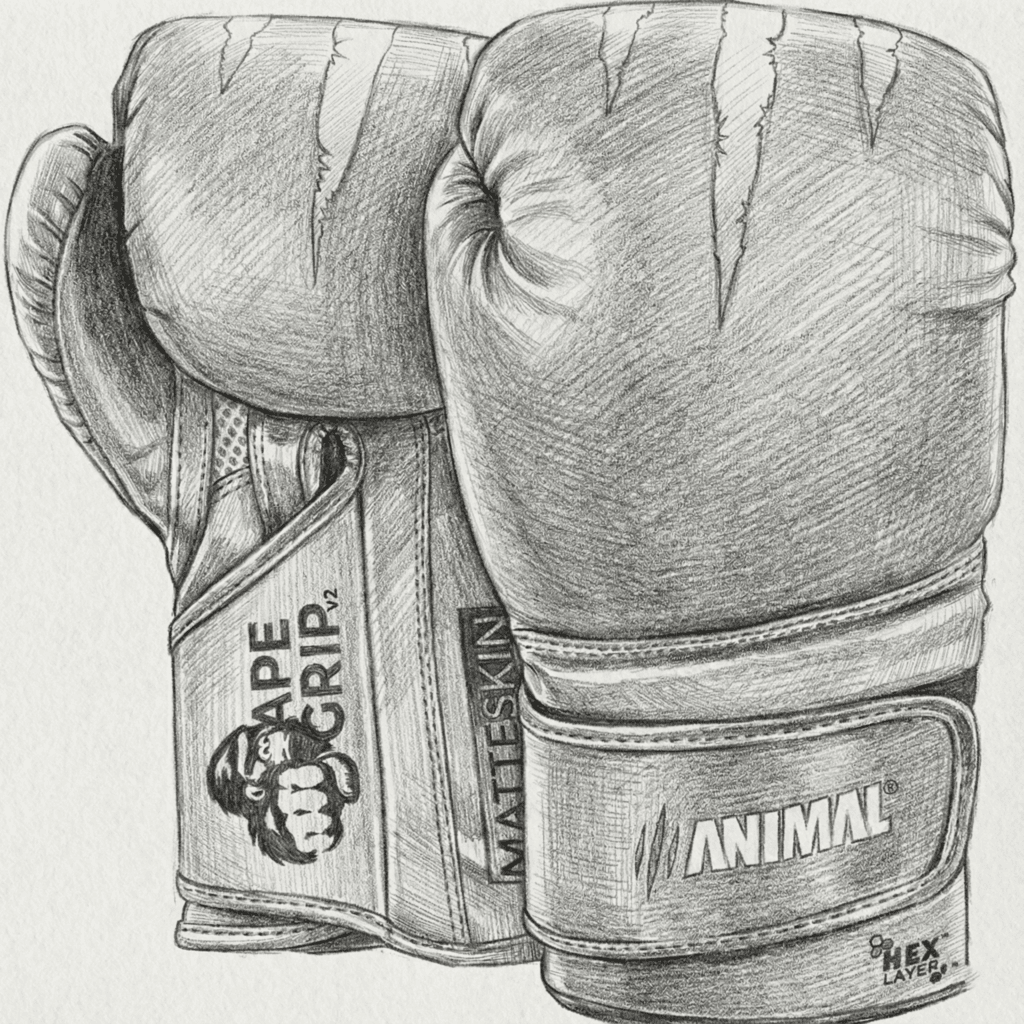
Boxing glove quality usually fails quietly.
Not in competition. Not on day one. But after weeks of bag work, wraps soaked through, wrists retightened again and again.
If you’ve trained long enough, you’ll recognise it. A glove that still looks fine, but no longer feels right. Padding that gives unevenly. Wrist support that starts to rotate once fatigue sets in. Nothing dramatic enough to complain about. Just enough to accept.
That acceptance is exactly what the Predator Series was designed to challenge.
Where the problem became visible
The issue didn’t surface through specs or comparisons. It showed up in gyms.
Across youth sessions and amateur training, the same pattern appeared with common matte PU gloves. Early wrist fatigue. Padding that collapsed in isolated spots rather than evenly. Thumb protection that varied unpredictably. Gloves that looked intact on the outside but had already lost their internal shape.
Opening damaged gloves made the problem clearer.
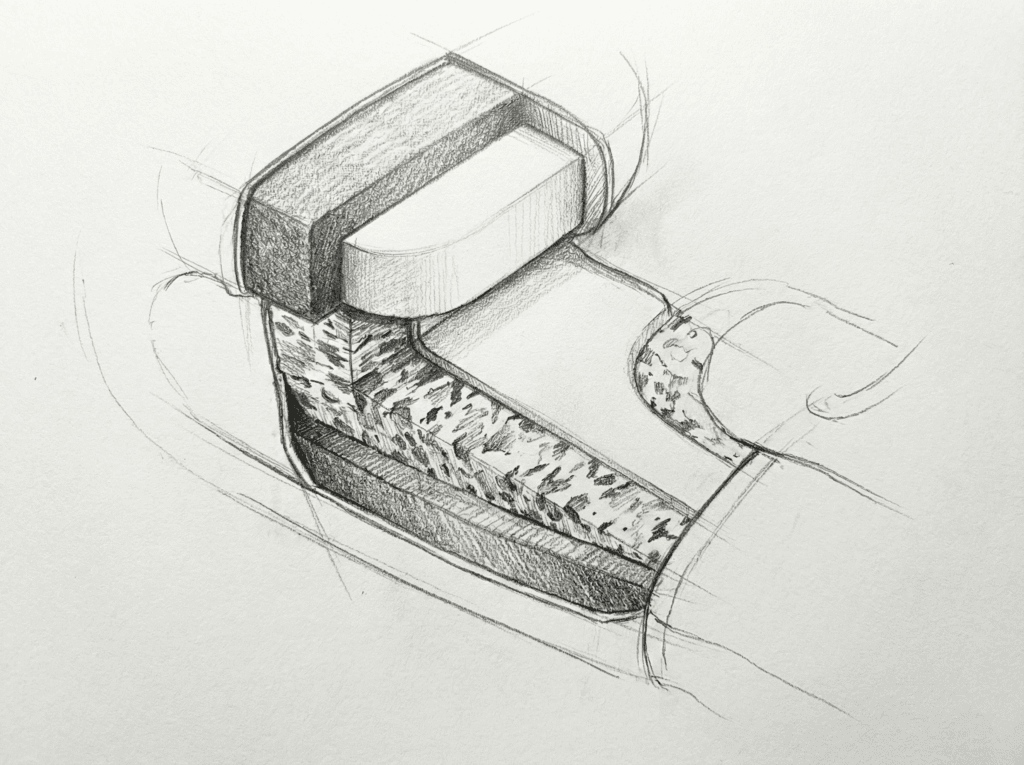
Inside, padding layers were inconsistent and loosely bonded. Once heat, sweat, and repeated impact were introduced, the structure simply had nowhere to go but inward. These weren’t faulty gloves. They were built to meet a price point, not to withstand training volume.
Choosing to design, not rebrand
The simplest route would have been to improve surface materials and rework the exterior.
We didn’t take that route.
Changing what you can see doesn’t fix what fails first. Development started from the boxing gloves construction: how padding compresses under continued use, how wrist geometry behaves once wraps are damp, how airflow and moisture accelerate breakdown.
This approach slowed everything down. Conversations with manufacturers became harder. Across factories in China, Mexico, and Pakistan, the same resistance came up repeatedly. Improvements that matter structurally are often invisible.
“No one will notice” was said more than once by multiple manufacturers.
That was precisely the point.
Early design language and false confidence
The earliest Predator designs looked confident. Too confident.
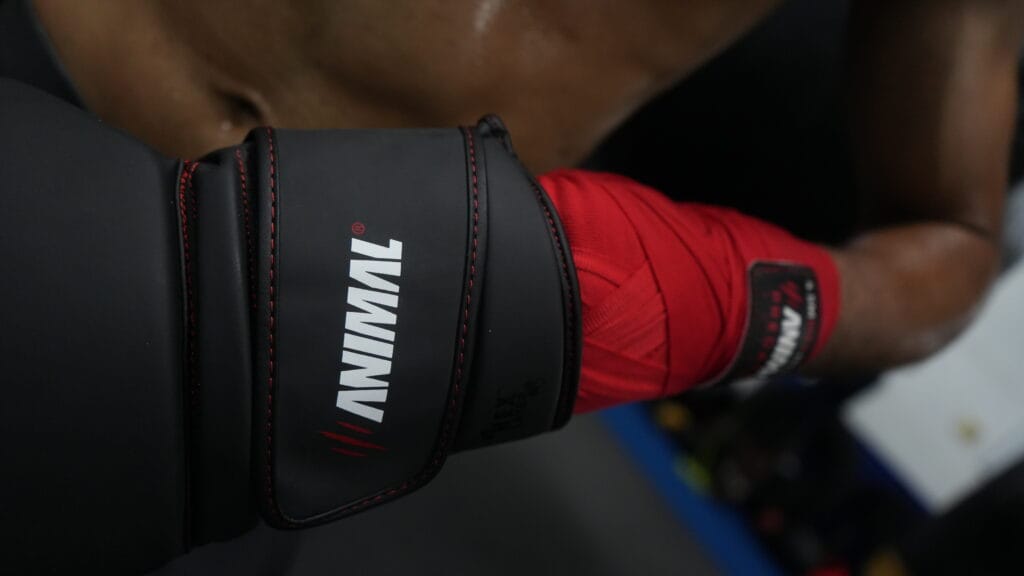
Branding was heavier. Colours were louder. Feature call-outs were explicit. On the surface, they said everything a glove is supposed to say.
In use, they didn’t hold up.
Some restricted wrist movement once wraps were added. Others felt stable until sweat built up. A few photographed well and failed under repetition. Those failures weren’t setbacks. They filtered assumptions out.
With each iteration, the glove narrowed rather than expanded.
What actually makes a good boxing glove
Good boxing gloves aren’t defined by softness or thickness.
They’re defined by how they behave when you’re tired, as this is when your form will give in and its during that period when injuries occur.
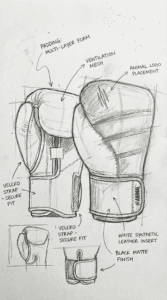
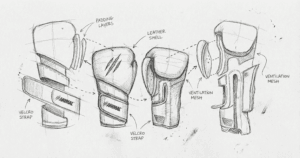
Padding needs to compress predictably, not collapse suddenly. Wrist support needs to stabilise without locking movement. Internal space has to accommodate wraps without distorting the glove’s shape.
Early prototypes made one weakness obvious: single-density padding fails quietly over time. Collapse doesn’t announce itself. It just moves.
The solution wasn’t more padding. It was layered padding with defined roles.
Material decisions and restraint
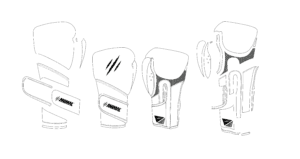
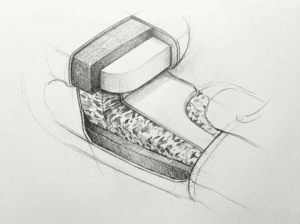
Padding evolved into a six-layer system, later finalised as Hex Layer™ construction.
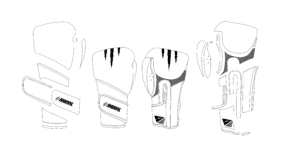
Each layer serves a specific function: wrist alignment foam, structural PU sheets, hand injection-moulded impact padding, shredded PU for response, a firm grip bar, and an 8mm internal lining to maintain comfort during longer sessions.
The result isn’t soft on first contact. It’s controlled.
Designed for bag work, pads, and volume rather than short, forgiving rounds.
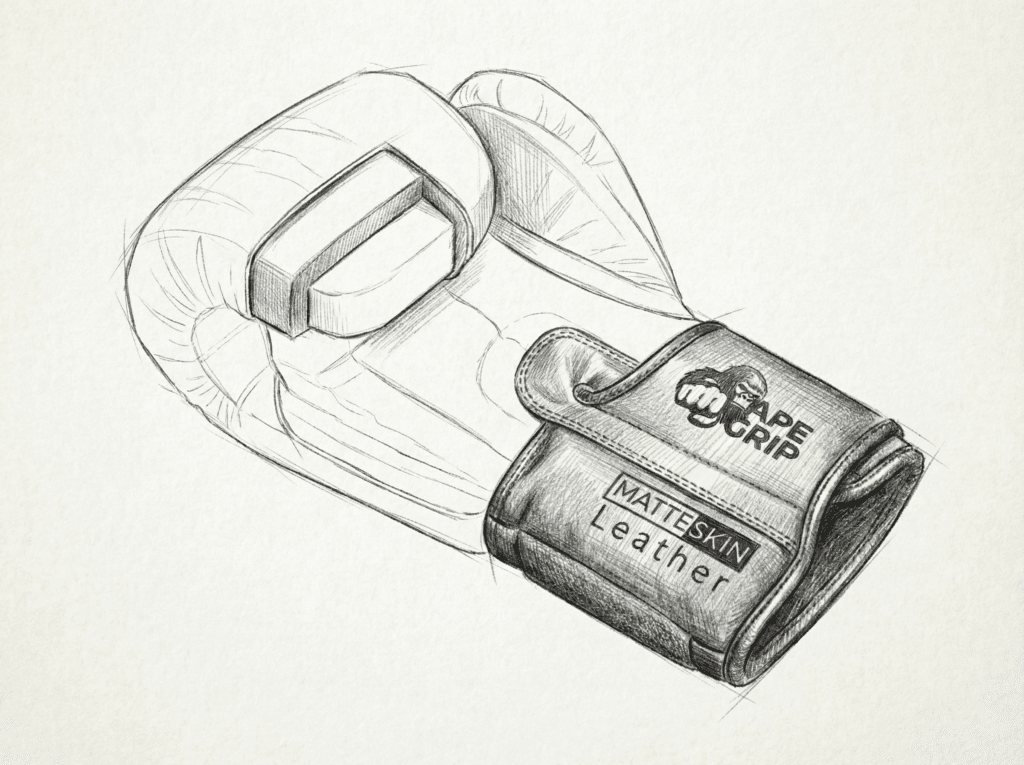
Matte PU wasn’t chosen as a compromise. It was chosen as a constraint.
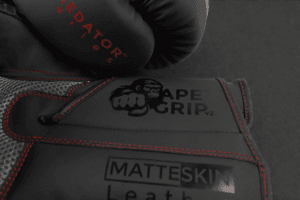
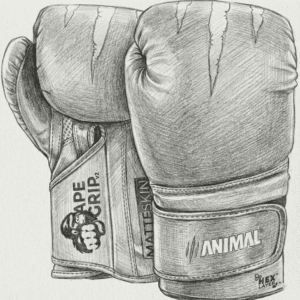
If structure couldn’t be maintained in PU, it wouldn’t be maintained with leather. The exterior material, MatteSkin™ Leather, was selected for consistency, clean break-in, and resistance to early degradation.
Some alternatives looked acceptable initially and failed once moisture and friction were introduced. This one didn’t.
It softened where it should. It held shape where it mattered.
Prototyping through real training
Testing didn’t happen on benches. It happened in gyms.
Prototypes went through youth sessions, amateur training, bag work, pads and professional sparring across the North West. Feedback wasn’t collected formally. It was observed. What got retightened. What shifted. What was ignored once training started.
Several designs were scrapped completely.
The third matte PU iteration changed things. Padding retention improved. Wrist stability stopped fading. The glove started disappearing during use. That was the goal.
One persistent weakness remained: the wrist.
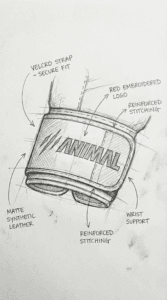
Once sweat built up and straps were repeatedly tightened, early closures loosened. The correction wasn’t subtle. Padding density increased. The strap widened. The Velcro system was upgraded to distribute load more evenly.
That revision became ApeGrip™ v2.
From that point on, each decision favoured stability over addition.
A fighter-led design moment
One of the Predator glove’s most recognisable elements didn’t come from a brief.
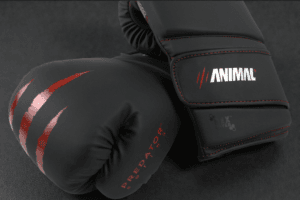
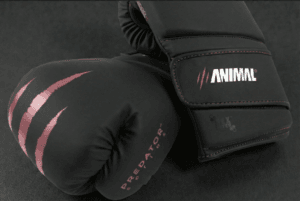
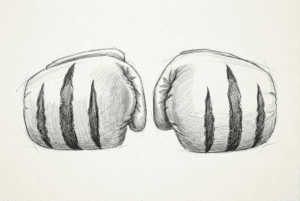
During early testing, amateur boxer Eduard Putrasevics suggested placing the Animal scratch mark directly across the striking surface. Every punch would carry it forward.
There was hesitation. Done wrong, it would feel decorative.
So it was tested.
Across dozens of users, feedback was consistent. It didn’t interfere. It didn’t explain itself. It just belonged.
It stayed.
Learning what to remove
As structure improved, the glove became quieter.
Elements that once felt justified were stripped away. Grip bar text added visual noise without functional gain. Trim colours distracted. Stitching contrast drew attention where none was needed.
Each removal made the glove stronger.
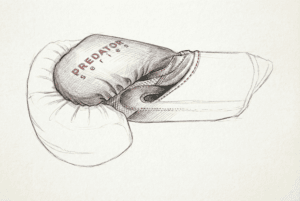
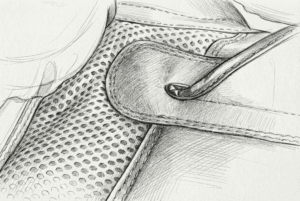
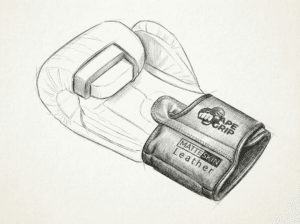
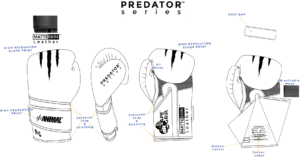
What follows is where the Predator Series stopped being a concept and started being used.
Final testing and professional feedback
Late-stage testing included professional input, not to redirect development but to confirm it.
British super lightweight boxer Moniah Miah trained in the final production gloves, focusing on balance, fatigue response, and long-session comfort.
The feedback didn’t change the glove. It validated the decisions already made.
The gloves he used are the gloves now in circulation.


The finished glove
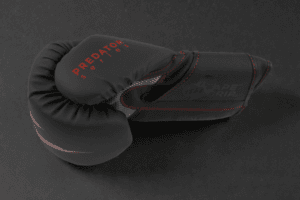
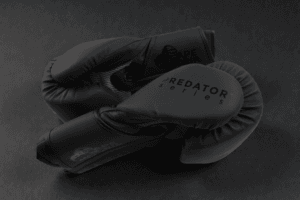
The Predator Series boxing glove isn’t a reinvention.
It’s the outcome of refusing to normalise early failure.
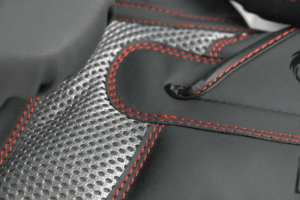
Reinforced stitching and the ApeGrip™ v2 closure maintain wrist stability under repetition. Full-palm AVS™ ventilation helps manage heat and drying. The fit is deliberately snug with wraps, shaping naturally into a closed fist.
During live use, the gloves were selected for competition at an international Premier Boxing League event. Two fighters competed in 14oz Predator Series gloves, one in Black Accent and one in Red Accent.
The gloves held their shape under conditions where excuses don’t survive.
What the Predator Series represents
The Predator Series isn’t louder than the category.
It’s quieter.
Built from observation rather than assumption. From iteration rather than trend. From restraint rather than excess.
We could make more. We choose not to.