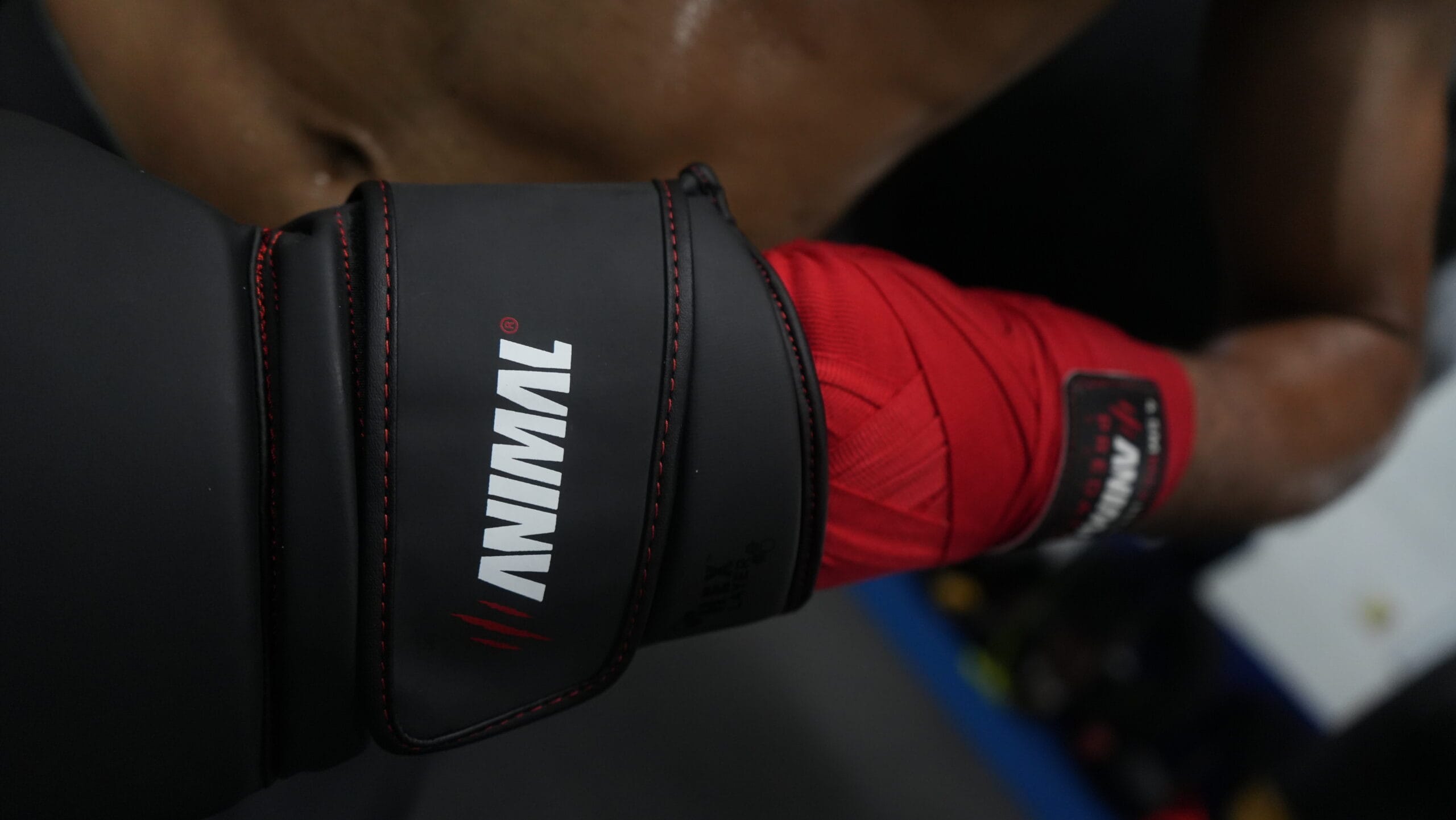

If you’re asking “do you need hand wraps for boxing?” the answer is Yes. However hand wraps become necessary once training is regular and repetitive.
Gloves on their own can feel sufficient early on, especially when training volume is low. Over time, however, gloves are not designed to manage what happens inside the hand as fatigue builds and punches accumulate.
This is not a rule or a tradition. It is a practical response to how hands behave under repeated load.
Why gloves alone often feel like enough at first
Early in training, gloves tend to do most of what is asked of them.
Sessions are usually shorter. Power output is inconsistent. Hands are fresh, dry, and relatively precise. The glove padding absorbs surface impact, and the wrist closure provides enough support to stop obvious collapse.
In this phase, there is very little feedback to suggest anything is missing. Punches land cleanly. Knuckles feel fine. Wrists feel stable. For many people, this reinforces the idea that wraps are optional, unnecessary, or simply habit.
This experience is real, and pretending otherwise weakens the argument. Gloves can be enough for a while.
What gloves are actually designed to do
Boxing gloves and hand wraps have completely different roles. Boxing gloves are built to manage external impact.
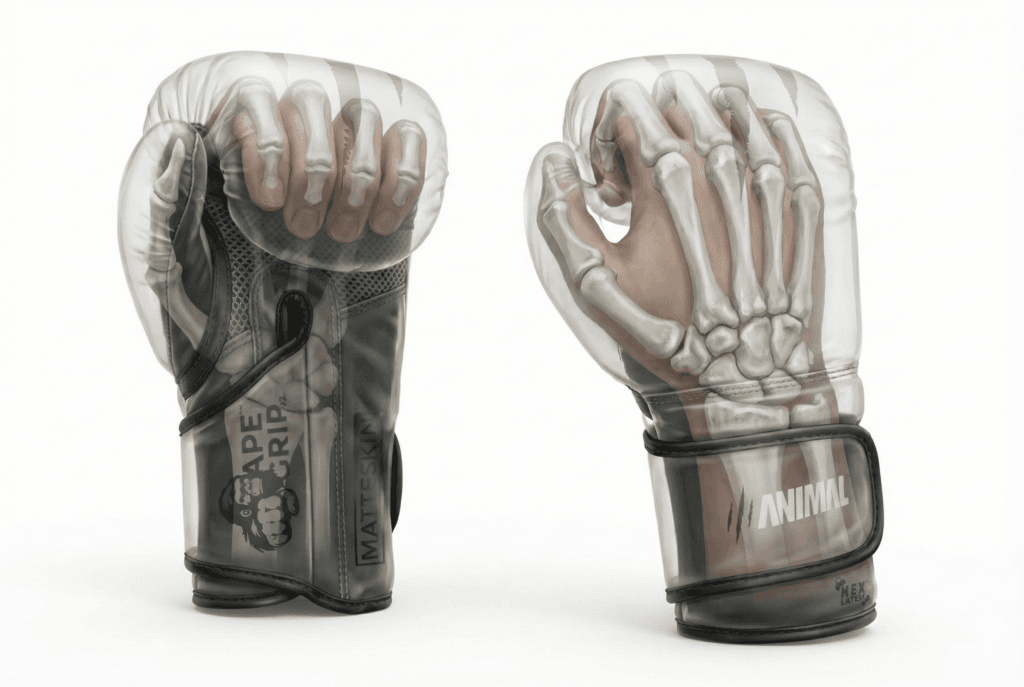
Their padding spreads force across a wider surface area. The outer shell protects the knuckles from abrasion and direct trauma. The wrist closure limits gross instability, particularly when the fist is poorly aligned.
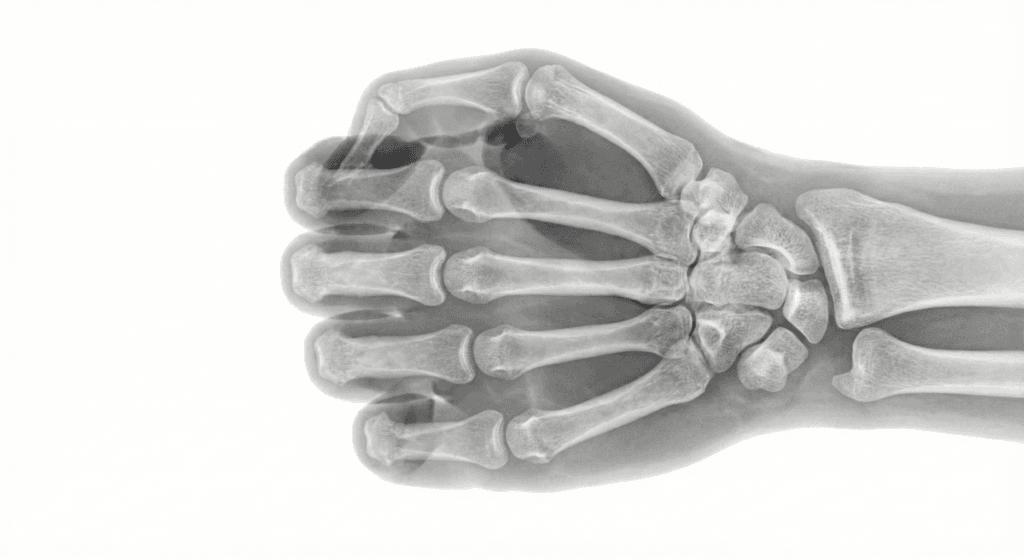
What gloves are not designed to do is control the internal movement of the hand. They sit around the fist, not through it. Once the glove is on, the hand still contains multiple small bones and joints that move slightly with every strike.
That movement is minimal early on. Over time, it becomes more noticeable.
What changes as rounds and sessions accumulate
Hand issues rarely arrive as a single dramatic injury.
They appear gradually, often after weeks or months of regular training. Late in bag rounds, when the forearms fatigue and sweat builds, the fist becomes slightly less compact. Knuckles stop meeting the target evenly. Wrist alignment becomes harder to maintain without deliberate effort.
The glove still looks fine. Padding still feels soft. But internally, the hand is doing more work to stay organised.
This is where gloves alone reach their limit. They continue to absorb impact, but they do nothing to reduce the small internal shifts that occur once fatigue and repetition take over.
What hand wraps actually add
Hand wraps do not exist to make punches softer.
In normal training, the padding contribution of wraps is minimal. That responsibility belongs to the glove. What wraps provide instead is containment.
By binding the hand together, wraps limit how independently the bones of the hand can move under load. They help the fist behave as a single structure, rather than a collection of small parts responding separately to impact.
Wraps also increase friction between the hand and the glove. As sweat builds, this friction becomes important. Without it, the hand can slide slightly inside the glove, increasing strain on the knuckles and wrist with each punch.
None of this is dramatic. It is simply cumulative.
One of the most common injuries for boxers in the boxer’s hand fracture. A boxer’s hand fracture is a break through the bone in the hand known as the metacarpal. This NHS Article explains it.
Why alignment training alone does not solve the problem
Some fighters deliberately train without wraps to improve alignment and awareness. There is value in this approach.
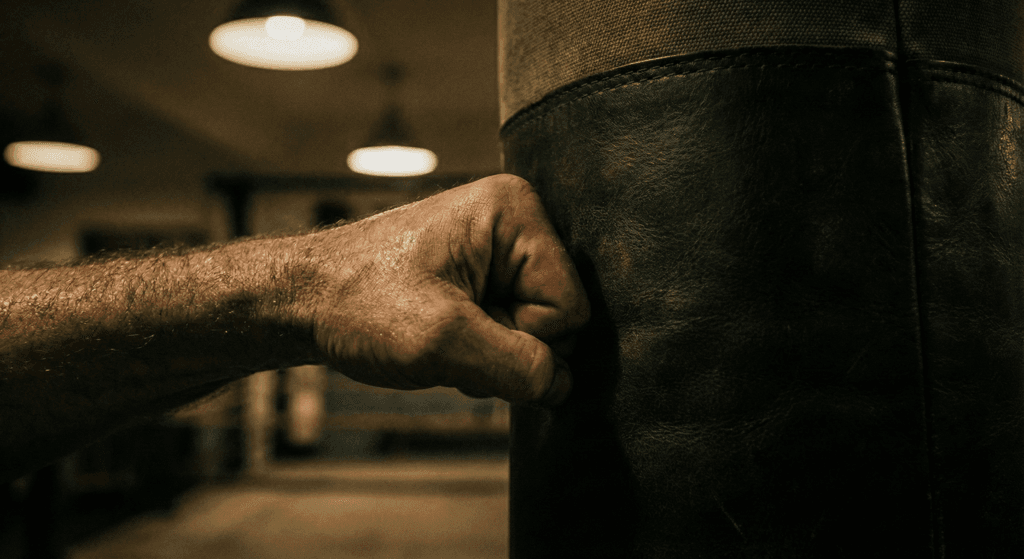
Reduced padding forces attention to fist position and wrist line. Poor mechanics are felt immediately. This kind of feedback can sharpen technique in a way that heavily padded training sometimes masks.
The limitation is not alignment. It is repetition.
Even with good mechanics, fatigue alters small positions over time. Fingers spread slightly. The wrist absorbs more rotational force late in sessions. Conditioning increases tolerance, but it does not eliminate cumulative stress.
This is why many experienced fighters report feeling fine without wraps for long periods, only to find that something small begins to complain later. Not because of a single mistake, but because the work eventually adds up.
Why Mexican-style hand wraps behave differently
Not all hand wraps behave the same once training volume increases.
Traditional cotton wraps tend to feel firm at the start of a session, but they offer very little forgiveness once fatigue sets in. If they are wrapped tightly, they can become restrictive. If they are wrapped loosely, they lose structure quickly. Either way, tension tends to change as the session goes on.
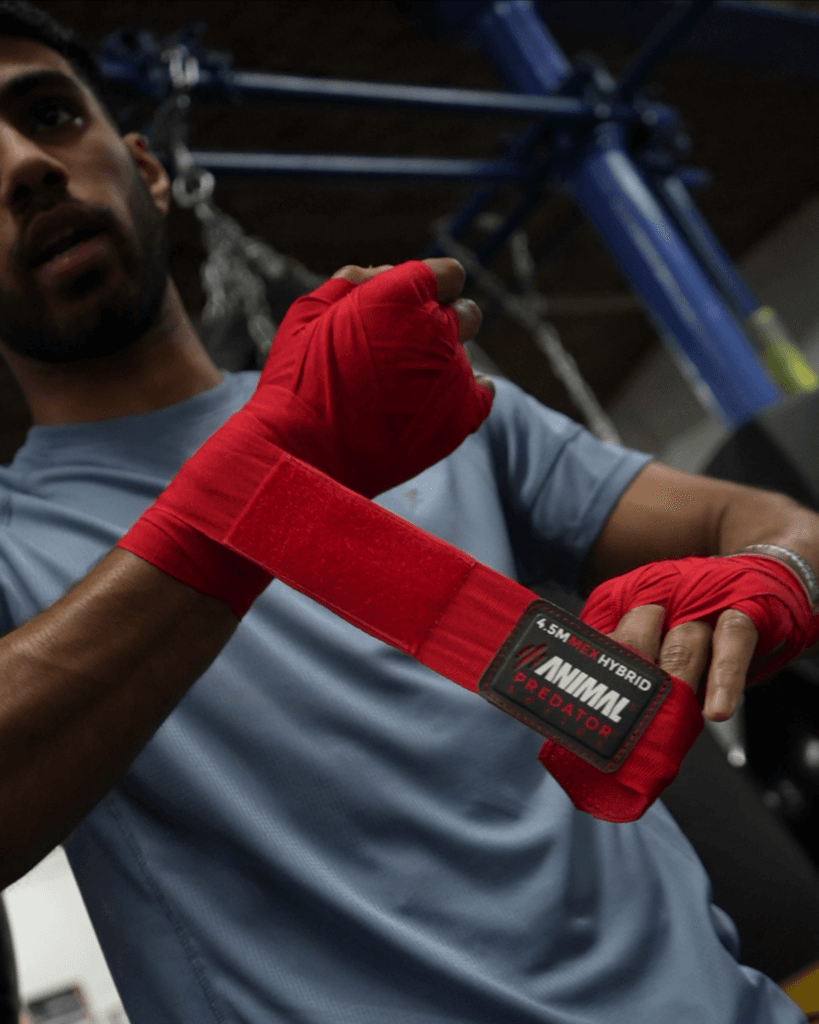
Mexican-style hand wraps were developed to address this exact problem. Their defining feature is controlled stretch. Rather than resisting movement completely, the fabric gives slightly as the hand expands under load, then rebounds to maintain structure.
This matters late in training. As the hand warms, swells and tires, a wrap with balanced elasticity continues to hold the knuckles together without cutting circulation or creating pressure points. The wrap stays supportive without becoming rigid.
Why stretch matters more than padding
Padding is not the primary job of a hand wrap. Gloves already handle that.
The real benefit of a stretch-based wrap is consistency. Even elasticity allows the wrap to mould naturally around the hand as you build layers, keeping tension even across the knuckles, thumb and wrist. That consistency becomes noticeable once rounds stack up and precision starts to fade.
Cheaper elastic wraps often stretch unevenly or lose rebound after washing. When that happens, support becomes unpredictable. A wrap may feel comfortable at the start of a session, then loosen or bunch once sweat builds.
When wraps matter most
Wraps begin to matter when training becomes consistent rather than occasional.
Heavy bag work is the most common trigger. The target does not move, and volume tends to be high. Pad rounds can be equally demanding, often involving more punches than sparring without the same recovery built into movement.
Longer sessions, multiple sessions per week, and periods of increased intensity all increase the cumulative load placed on the hands. In these conditions, wraps are less about protection in the moment and more about preserving structure over time.
The most common pattern is not immediate injury, but delayed discomfort that appears outside the session, or instability that gradually becomes noticeable.
So are hand wraps necessary
For occasional, low-volume training, gloves alone may be enough.
For regular training over weeks and months, hand wraps become a practical tool for managing cumulative stress and maintaining hand integrity.
Gloves absorb impact. Wraps manage structure. Knowing when each is doing its job is more useful than following blanket rules.
One final point worth noting is that wraps only behave as intended if they are cared for properly. Elastic loses rebound when wraps are left damp or washed poorly, and cotton stiffens as residue builds up. If you train regularly, taking care of your wraps matters as much as choosing the right material. We’ve covered this in more detail in our guide on how to care for and wash hand wraps.