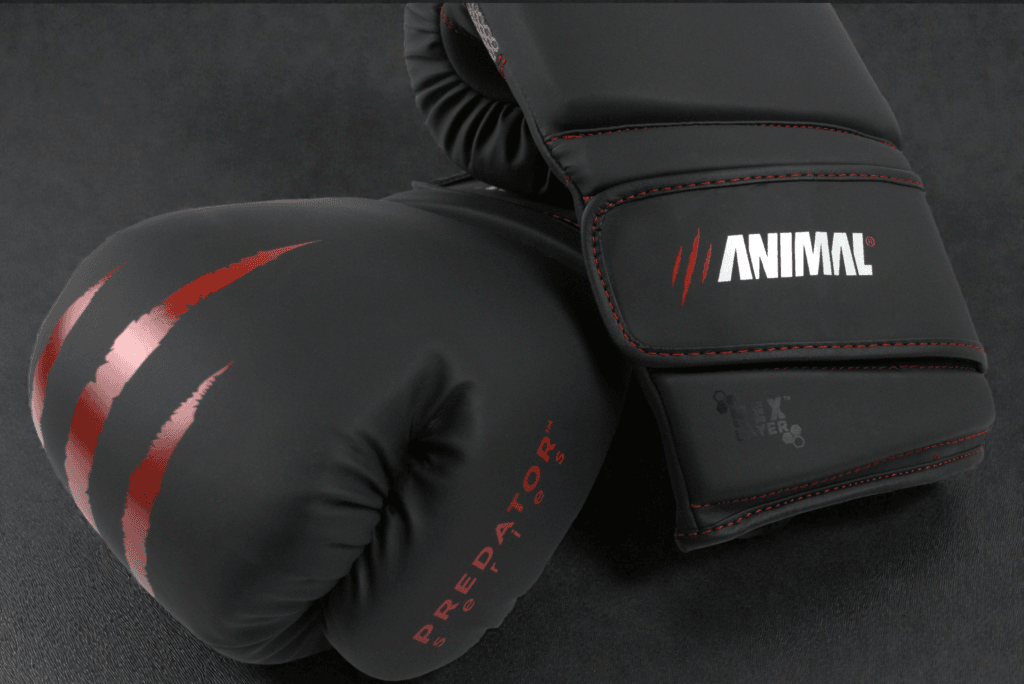

If you’re asking “How long do boxing gloves last?” or “When to replace boxing gloves” then you need to know that most gloves don’t fail suddenly. They fade.
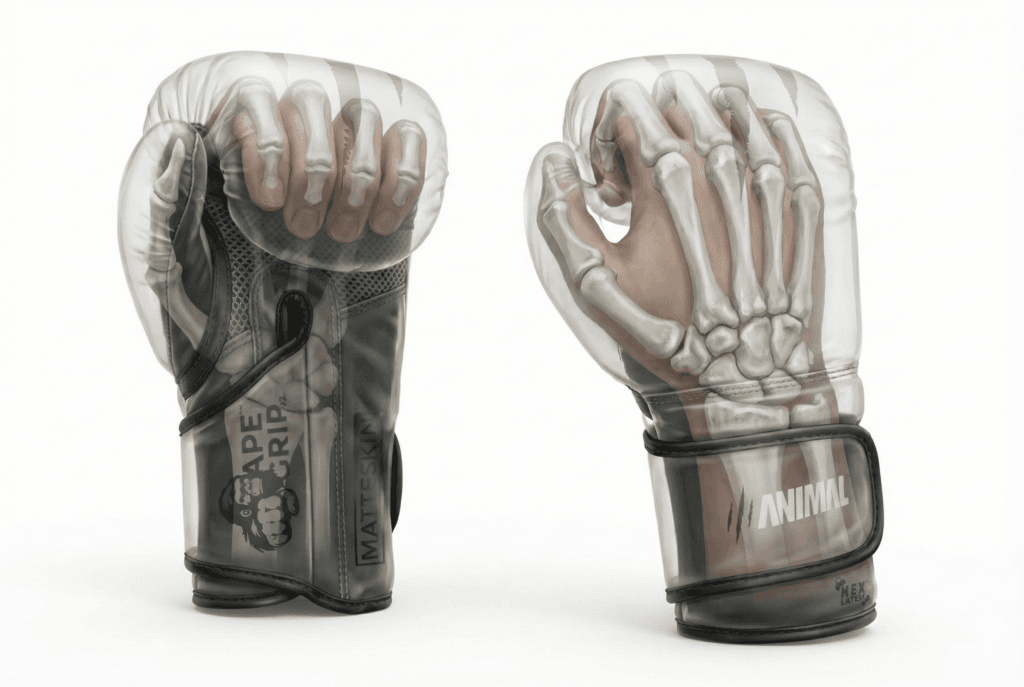
They still look intact. The stitching holds. The outer shell hasn’t split. But something changes the first time you land a clean shot on the bag and feel impact travel more sharply into one knuckle than the others.
That moment is when the real lifespan of a pair of boxing gloves begins to matter. Not how long you’ve owned them, but whether they are still doing the job they were built for: protecting your hands and the person in front of you.
The honest answer is that boxing gloves do not expire on a calendar. They fail through use, repetition, moisture, and subtle structural breakdown that most people don’t notice until something hurts.
Why time is the wrong way to measure glove lifespan
You will often see lifespan described in months or years. Six months. One year. Three years if you take care of them. These numbers are not wrong, but they are incomplete.
Two people can buy the same gloves on the same day and end up with entirely different outcomes. One pair becomes unsafe within months. The other remains usable for years. The difference is not luck. It is what happens inside the glove.
Gloves fail when protective systems break down. Padding compresses unevenly. Foam migrates away from high-impact zones. Wrist structure loosens. Moisture saturates materials that were never meant to stay wet.
None of this shows up clearly when you look at the gloves on the bench.
It shows up when you hit something.
Wikipedia has some interesting information on the history of boxing gloves and safety.
The three ways boxing gloves actually wear out
Regardless of brand, price, or construction, most gloves fail in the same three areas. These are not cosmetic issues. They are functional failures.
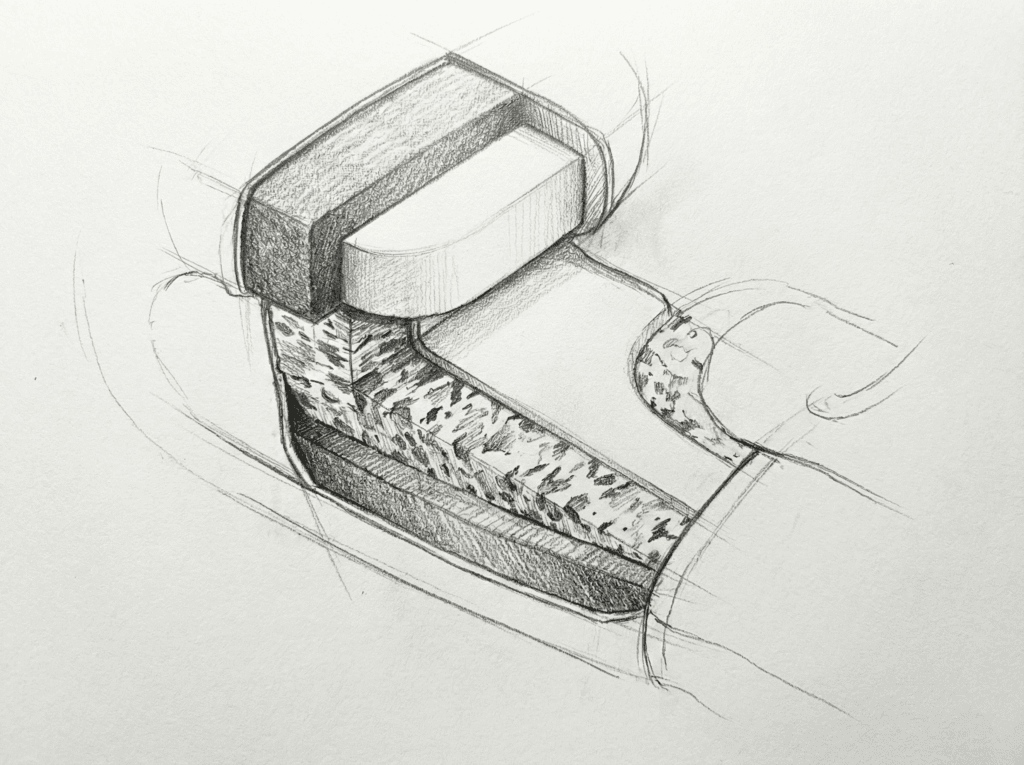
1. Padding no longer distributes impact evenly
Healthy padding spreads force across the knuckles. Worn padding concentrates it.
This is usually felt before it is seen. One knuckle begins to take more load than the others. On the bag, punches feel sharper rather than dull. On pads, feedback becomes harsh instead of absorbed.
Over time, foam breaks down under repeated compression. It does not disappear, but it shifts. Gaps form. Density changes. The glove still feels padded when squeezed, but no longer protects evenly under impact.
When hand wraps start doing more work than the glove, padding failure has already begun.
2. Wrist support weakens under rotation
Wrist protection is not just about stiffness. It is about resistance under fatigue.
Early on, gloves feel secure. The wrist stays aligned through straight shots and hooks. As materials soften and closures loosen, rotation creeps in. Not enough to notice at first, but enough to demand compensation.
You adjust punches subconsciously. You shorten combinations. You pull shots earlier. This is not technique regression. It is the body protecting itself from instability.
Once wrist integrity declines, gloves may still be usable for light bag work. They are no longer reliable for sparring.
3. Moisture damage becomes permanent
Sweat is unavoidable. Moisture retention is not.
When gloves remain damp between sessions, materials begin to degrade from the inside. Linings stiffen. Foam loses resilience. Odour becomes embedded rather than removable.
This is not just unpleasant. Persistent moisture accelerates padding breakdown and weakens internal structure.
Once gloves smell despite proper drying, they are already compromised. Cleaning may improve hygiene, but it does not reverse material fatigue.
Usable does not mean safe
This distinction matters more than any timeframe.
Many gloves remain usable long after they stop being safe. They can still be worn. They still absorb some impact. They still look presentable.
But usable gloves can place unnecessary stress on hands, wrists, and sparring partners. Reduced padding consistency increases peak force. Reduced wrist support increases injury risk under fatigue.
This is why experienced gyms often retire gloves earlier for sparring than for bag work. Protection standards change when another person is involved.
A glove that feels acceptable on the heavy bag can be irresponsible in the ring.
How training style influences lifespan
How you train matters more than how often you train.
Bag work places repeated, high-force stress through the same contact points. Over time, this compresses padding aggressively. Sparring spreads impact but demands consistent protection.
Using one pair of gloves for everything accelerates compromise. Padding soft enough for sparring deteriorates faster on bags. Padding firm enough for bags transfers force during partner work once worn.
Rotation helps, but it does not eliminate wear. Gloves age differently depending on how they are used.
Signs your gloves are reaching the end of their protective life
Cosmetic wear is not the signal most people should be watching for.
- Impact begins to feel localised rather than dispersed.
- Knuckles feel sharper on contact.
- The wrist subtly shifts under combinations.
- You tighten wraps more aggressively than before.
- Odour persists despite drying.
- The glove feels “dead” rather than responsive.
Any one of these is a warning. Several together indicate that protection has already declined.
Extending lifespan without pretending gloves last forever
No glove lasts indefinitely. Care does not make gloves immortal. It slows decline.
Allow gloves to dry fully between sessions. Remove them from bags immediately. Store them where air can circulate. Avoid heat that dries materials too aggressively. If you want a deeper breakdown of drying, cleaning, and storage habits, boxing glove care explained covers those details properly.
Hand wraps reduce moisture load and protect internal lining. Rotation reduces cumulative stress.
These habits buy time. They do not change physics.
So, how long do boxing gloves last?
They last until protection fades.
For some, that is months. For others, it is years. The difference is not brand loyalty or price alone. It is how gloves are used, cared for, and honestly assessed.
When padding no longer distributes force, when wrist stability declines, and when moisture damage becomes permanent, gloves have reached the end of their protective life.
Recognising that moment is part of responsible training.